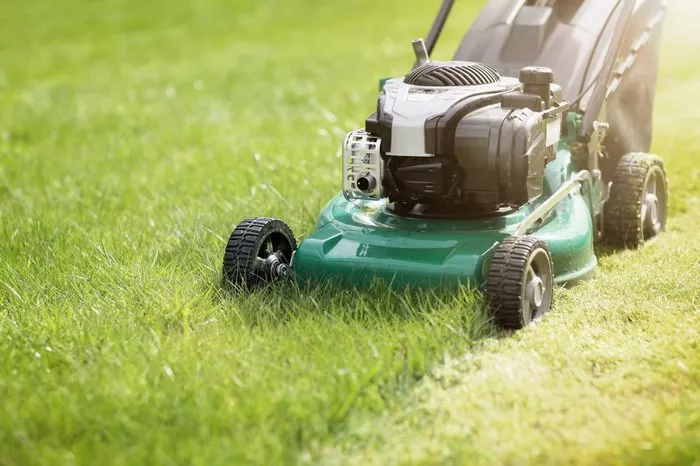
Your lawnmower, like any combustion engine, relies heavily on one vital fluid for its survival: engine oil. Often overlooked, especially by new owners, neglecting this essential fluid can lead to catastrophic engine damage and seizure. Whether you refer to it in English as lawnmower oil or in German as 'Rasenmäher Öl', its function remains universally critical. Understanding the importance of regular checks and proper maintenance of your lawnmower's oil system isn't just good practice; it's the difference between a reliable machine and an expensive paperweight.
From the moment you unbox a new mower to the routine maintenance of an old faithful, engine oil demands your attention. Sadly, many manufacturers ship their machines without oil, and the warnings can be inadequate or completely absent, leading to severe frustration and costly engine failures for unsuspecting customers. This comprehensive guide will arm you with the knowledge to protect your investment, ensuring your lawnmower runs smoothly for years to come.
Why Lawnmower Oil is Non-Negotiable for Engine Health
At the heart of every gasoline-powered lawnmower lies a small but powerful engine, a complex symphony of rapidly moving metal parts. Without the correct lubrication, cooling, and cleaning properties of engine oil, this intricate system quickly grinds to a halt. Here's a closer look at the critical roles played by lawnmower oil:
- Lubrication: This is oil's primary function. It creates a thin film between moving metal components like pistons, crankshafts, and bearings. This film prevents direct metal-on-metal contact, drastically reducing friction and wear. Without it, components would rapidly overheat, seize, and fuse together – a process known as piston seizure or 'Kolbenfresser'.
- Cooling: While coolant handles the bulk of engine cooling in cars, engine oil plays a significant role in dissipating heat in air-cooled lawnmower engines. As oil circulates, it absorbs heat from hot engine parts and carries it away, releasing it through the oil pan or sump.
- Cleaning: Engine oil isn't just a lubricant; it's also a cleaner. It picks up microscopic contaminants, carbon deposits, and metallic particles generated during combustion and wear. These impurities are then held in suspension until the oil is drained during an oil change, preventing them from accumulating and causing damage.
- Sealing: Oil helps create a seal between the piston rings and cylinder walls. This seal is crucial for maintaining proper compression within the combustion chamber, ensuring efficient power generation and preventing combustion gases from escaping into the crankcase.
- Corrosion Protection: Modern engine oils contain additives that protect internal engine components from rust and corrosion, especially during periods of inactivity.
Ignoring the state of your lawnmower's oil is a direct invitation to engine failure. A lack of oil, or degraded oil, will lead to excessive friction, heat buildup, and eventually, permanent damage that often costs more to repair than the mower is worth.
The "No Oil" Dilemma: Unboxing Your New Lawnmower
One of the most surprising and frustrating experiences for many new lawnmower owners is discovering that their brand-new machine arrives completely devoid of engine oil. While this might seem like an oversight or even negligence, it's often a deliberate decision by manufacturers, implemented as a safety feature to prevent oil leaks during shipping. However, the critical flaw lies in the often-inadequate or non-existent warnings accompanying these "dry" shipments.
Imagine purchasing a new car and driving it off the lot, only to find out later that the engine had no oil. The outrage would be immense, and rightfully so. Yet, this is precisely the scenario many lawnmower owners face. The reference context highlights this perfectly: "Makita delivers no motor oil with its mowers, there is no warning that there is no oil in the engine!" This lack of clear instruction is a recipe for disaster, as many eager users will assemble their new mower and attempt to start it immediately, unknowingly condemning their engine to an early demise.
The Hidden Danger of Unchecked First Starts
The immediate consequence of starting a new lawnmower without oil is catastrophic engine damage. Without lubrication, the internal components experience immense friction and heat. Within minutes, or even seconds, pistons can seize in their cylinders, bearings can fail, and vital engine parts can warp or shatter. This isn't theoretical; numerous instances of piston seizure (Kolbenfresser) have been reported by individuals who fell victim to this oversight.
The key takeaway here is paramount: NEVER assume your new lawnmower comes with oil. Always check the oil level before the very first start, regardless of what the manual *doesn't* say. This simple, preventative step can save you hundreds, if not thousands, in repair or replacement costs and prevent immense frustration. For a deeper dive into this critical initial check, read our article: New Lawnmower Arrives Without Oil: A Critical Safety Check.
Navigating the Murky Waters of Oil Capacity and Type
Once you've confirmed your lawnmower needs oil, the next challenge often arises: determining the correct type and, more importantly, the precise amount. The reference context provides a vivid example of conflicting information: "According to the operating instructions point 5.2, page 17, that is 0.6L (photo)! But, already at 0.5l the oil runs out of the filler neck... In the technical data at the very back: oil volume motor oil 0.4L." Such discrepancies are not uncommon and can be incredibly frustrating, leading to either underfilling or dangerous overfilling.
Most lawnmower manufacturers recommend a specific oil type, often a multi-grade detergent oil like 5W30 or 10W30, as mentioned in the context. The "W" stands for "winter," indicating its viscosity at colder temperatures, while the second number denotes its viscosity at operating temperature. Always consult your owner's manual for the recommended oil type and viscosity for your specific model and climate. Using the wrong oil can compromise lubrication, especially in extreme temperatures, leading to accelerated wear.
The Perils of Overfilling and Underfilling
Both overfilling and underfilling your lawnmower with oil can lead to significant problems:
- Underfilling: This is the more obvious danger. Insufficient oil means inadequate lubrication and cooling for all engine components. Parts run dry, friction increases, and heat builds up rapidly, leading to accelerated wear, overheating, and ultimately, engine seizure.
- Overfilling: While it might seem like "more is better," overfilling can be just as detrimental. Excess oil can cause several issues:
- Foaming: The crankshaft can churn the excess oil into a froth, introducing air bubbles. This aerated oil is less effective at lubricating and cooling, leading to engine damage.
- Increased Pressure: Too much oil can create excessive pressure within the crankcase, potentially blowing out seals (like the crankshaft seal) and causing leaks.
- Oil Consumption: Excess oil can be forced past piston rings and burned in the combustion chamber, leading to excessive smoke, fouled spark plugs, and increased oil consumption.
- Reduced Performance: The engine has to work harder to spin through the excess oil, leading to reduced power and increased fuel consumption.
To avoid these pitfalls, always fill slowly and check frequently using the dipstick. The goal is to reach the 'full' mark, or within the designated range, without exceeding it. If you accidentally overfill, you'll need to drain the excess carefully, which can be a messy and time-consuming process. For a more detailed guide on navigating confusing oil capacity instructions, refer to our article: Lawnmower Oil Capacity: Navigating Conflicting Manual Information.
Your Routine Lawnmower Oil Check: A Step-by-Step Guide
Regular oil checks are the cornerstone of good lawnmower maintenance. Incorporating these simple steps into your routine will significantly extend the life of your engine and prevent unexpected breakdowns.
- Frequency of Checks:
- Before Each Use (Quick Check): A quick visual check of the oil level before you start mowing is always a good habit, especially for older machines or if you mow frequently.
- Before Each Mowing Season: A thorough check and topping off should be done at the start of every season.
- Every 25-50 Operating Hours: This is a general guideline for conventional oil. If your manual specifies a different interval, follow that.
- Preparation:
- Level Surface: Ensure your lawnmower is on a completely flat, level surface. Checking on an incline will give an inaccurate reading.
- Engine Off and Cool: The engine should be off and allowed to cool for a few minutes. This allows all the oil to drain back into the sump for an accurate reading.
- Clean Around Filler: Wipe away any dirt or debris around the oil fill cap/dipstick to prevent contaminants from entering the engine.
- Checking the Oil Level:
- Locate Dipstick: Unscrew and remove the oil fill cap, which often doubles as the dipstick.
- Clean Dipstick: Wipe the dipstick completely clean with a rag or paper towel.
- Reinsert and Remove: Fully reinsert the dipstick (either screwing it in or just resting it, depending on your model – check your manual). Remove it again.
- Read Level: Observe the oil level. It should fall within the "full" or "safe" marks, typically indicated by two dots, a crosshatch area, or a range on the dipstick.
- Adding Oil (If Necessary):
- Use a Funnel: Always use a clean funnel to prevent spills and ensure the oil goes into the engine, not on it.
- Add Slowly, Incrementally: Pour small amounts of the recommended oil (e.g., 5W30) into the fill tube.
- Recheck: After adding a small amount, wait a minute for the oil to settle, then recheck the level using the dipstick method described above. Repeat until the oil level is within the safe range. Avoid overfilling.
- When to Change the Oil:
- Most lawnmower manufacturers recommend changing the oil at least once a year, or every 25-50 operating hours, whichever comes first.
- If you use your mower heavily or in dusty conditions, more frequent changes might be necessary.
- Always drain warm oil, as it flows more easily and carries away more contaminants. Dispose of used oil responsibly at an approved recycling center.
By diligently following these steps, you take proactive control over your lawnmower's health, ensuring that the vital Rasenmäher Öl is always at the optimal level and condition.
The humble engine oil is the lifeblood of your lawnmower. Neglecting its checks and maintenance can transform a simple chore into a costly repair or replacement. From the initial surprise of a new mower arriving without oil to navigating conflicting manual information, vigilance is key. By understanding the critical role of lawnmower oil, performing regular checks, and adhering to proper filling procedures, you not only prevent severe engine damage and seizure but also guarantee that your mower remains a dependable workhorse for maintaining a pristine lawn for many seasons to come. Prioritize your oil checks; your lawnmower engine will thank you.